Vinayadas V
Home Culture
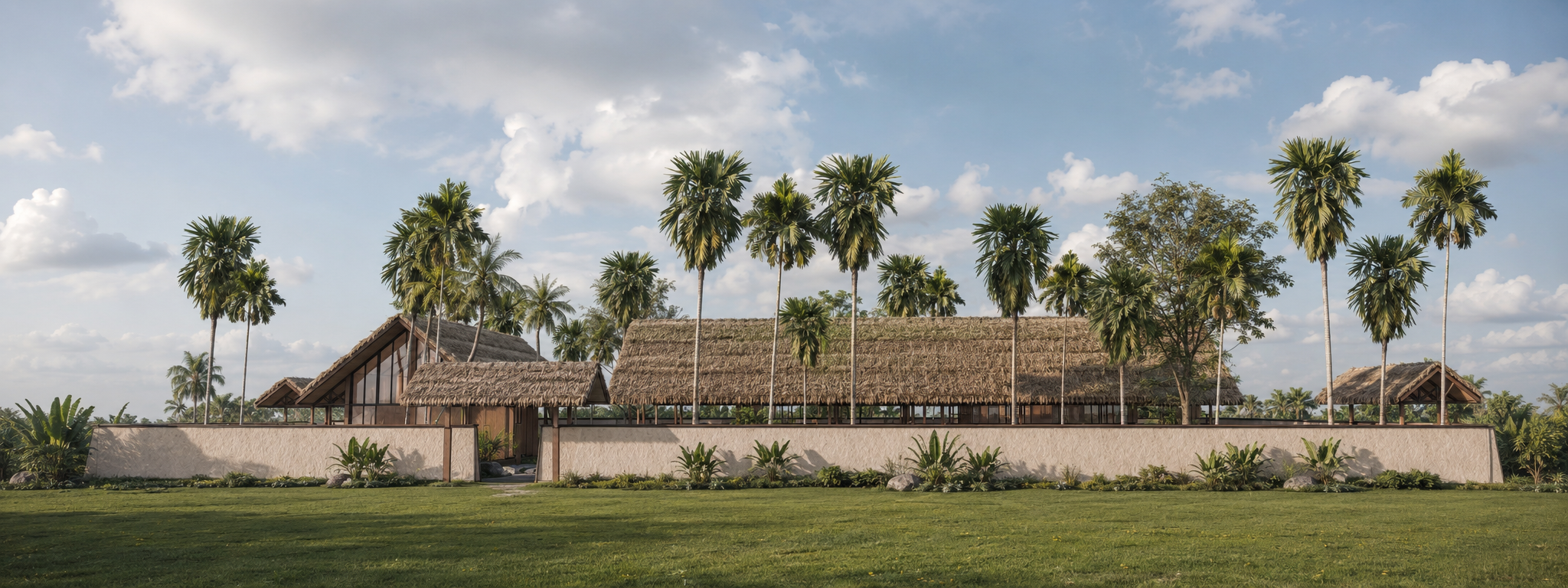
The Architecture of Everyday Living A home is more than a built structure. It is a living environment shaped by people, memories, habits, rituals, relationships, and emotions. While architecture gives form to a house, culture gives meaning to a home. Home culture is the invisible layer that turns walls, rooms, courtyards, verandahs, kitchens, and gardens into spaces of belonging. Every home has its own rhythm. Some homes begin the day with prayer and the smell of breakfast from the kitchen. Some come alive in the evening when the family gathers in the living room. Some are defined by quiet reading corners, open dining conversations, festive gatherings, children playing in the courtyard, or elders sitting near the verandah watching the day pass by. These everyday moments are the real foundation of home culture.
Additional Details
A home that welcomes people gracefully creates a lasting impression, not through luxury alone
Home culture is not about decoration alone. It is about the relationship between space and life. It is about designing for morning routines, family meals, weekend gatherings, festivals, quiet evenings, conversations, memories, and future growth. It is about creating a home that reflects the people who live there. A successful residence is one where architecture does not dominate life, but supports it. The best homes feel natural, personal, and lived-in. They allow the family to grow, adapt, celebrate, rest, and belong. They carry stories across generations. In this sense, home culture is the soul of residential architecture. It reminds us that a house becomes meaningful only when it understands the life within it. A true home is not measured only by area, materials, or style, but by the comfort, memory, and identity it creates for its people.


STYLING AND CONCEPT
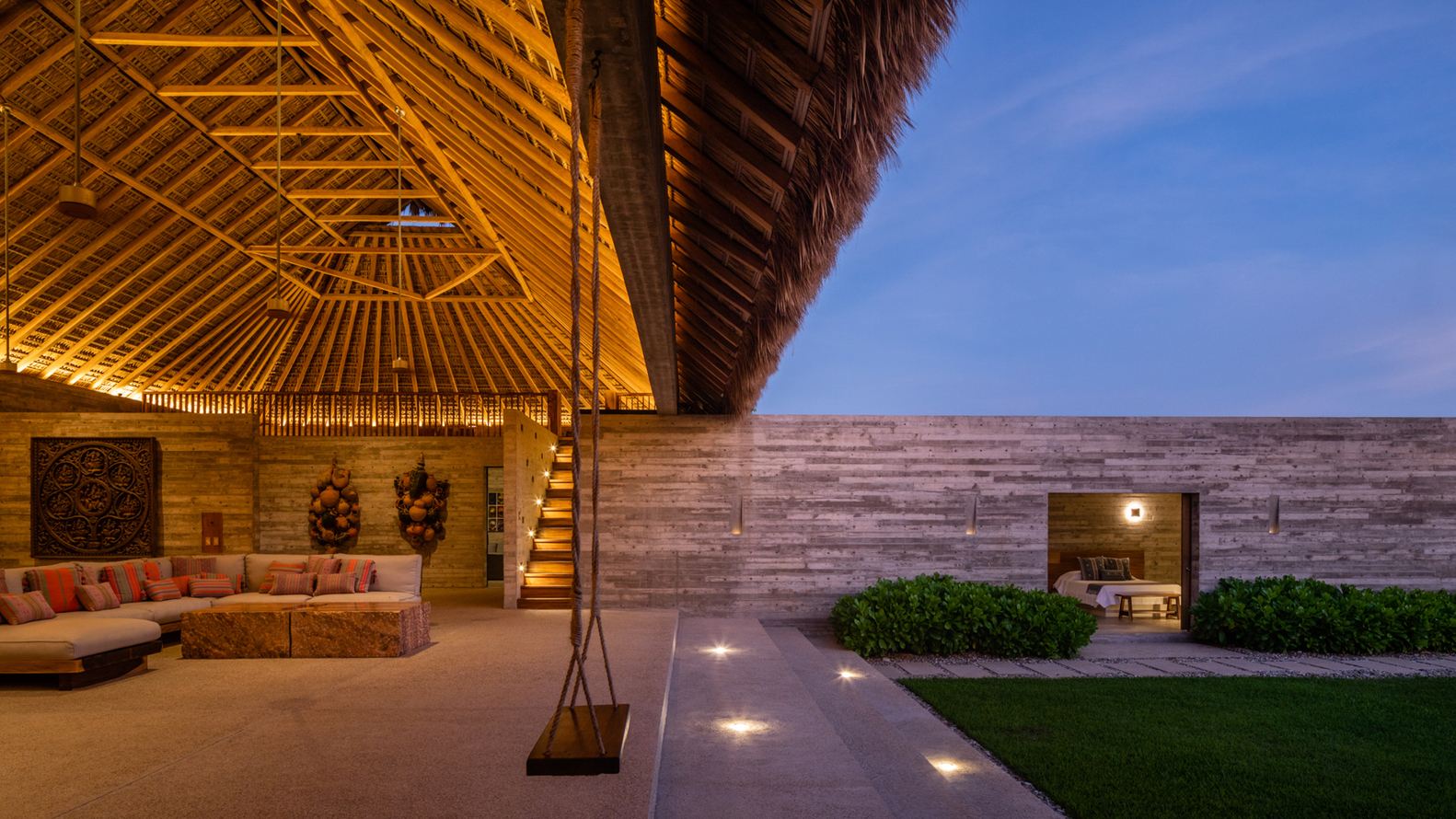
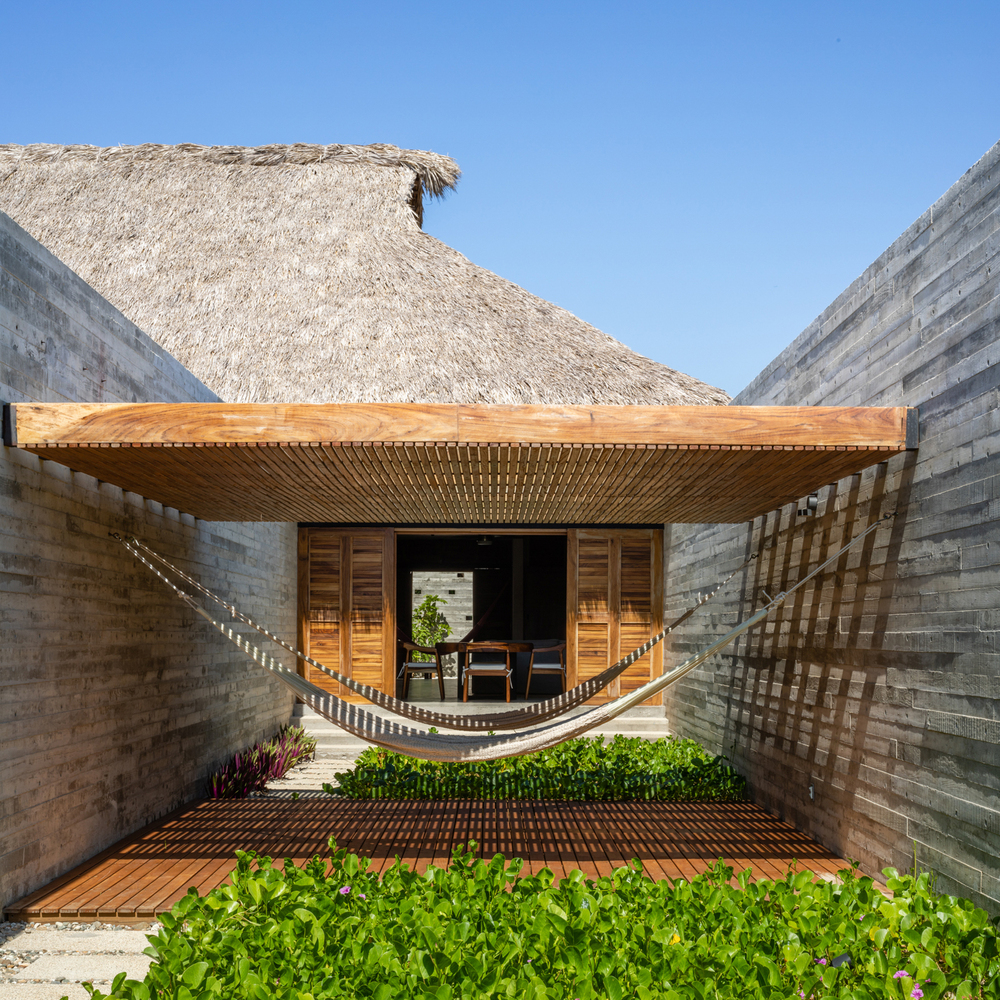
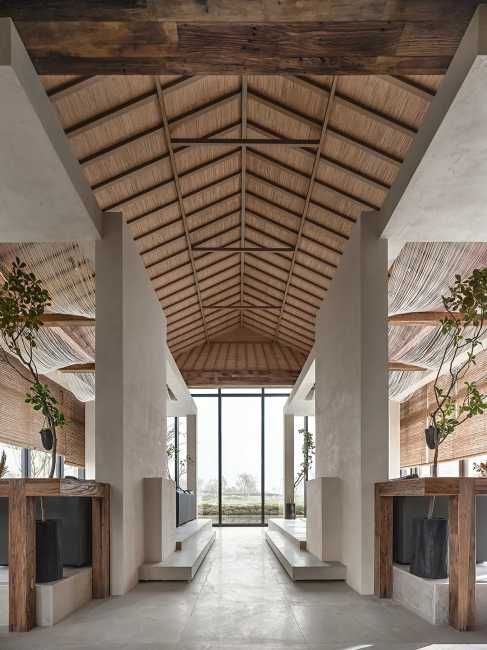
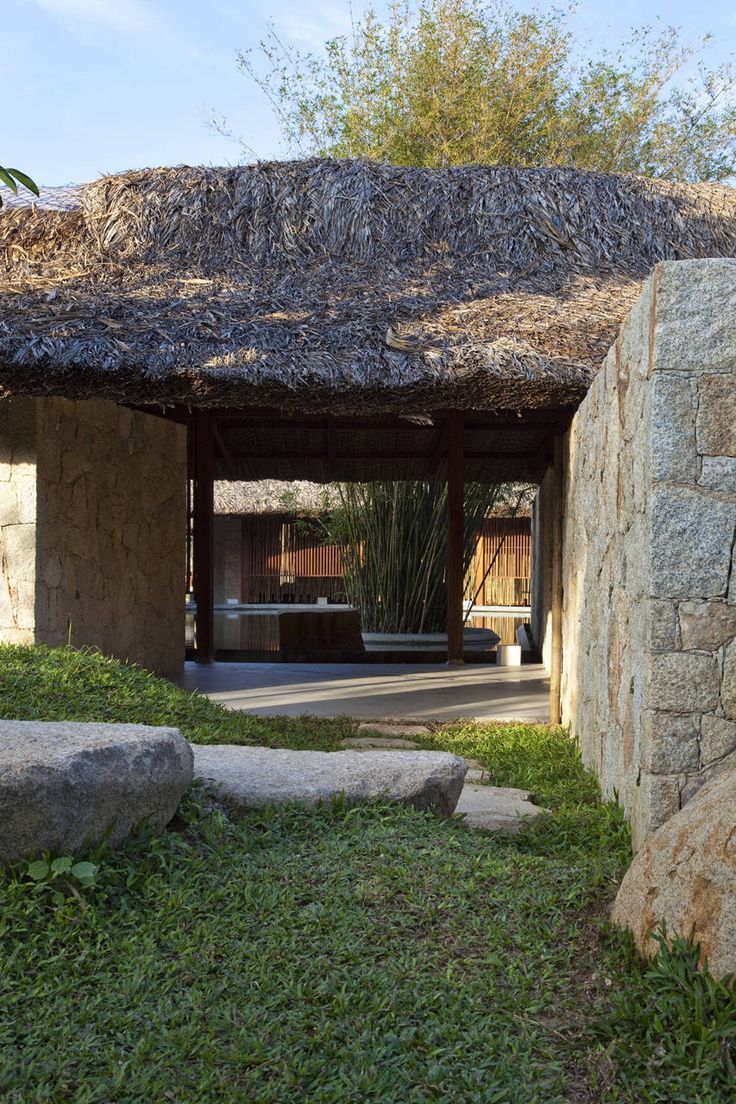
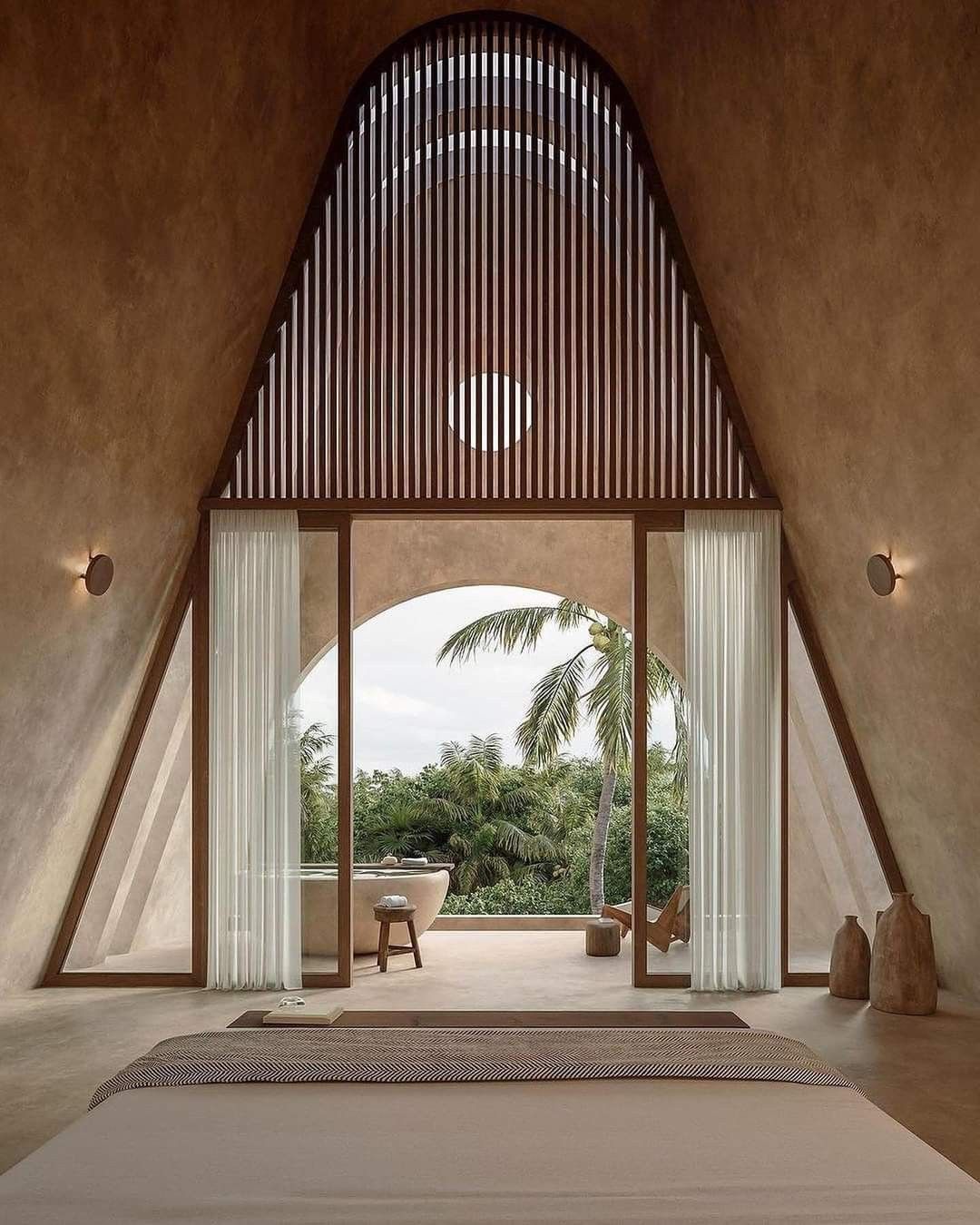
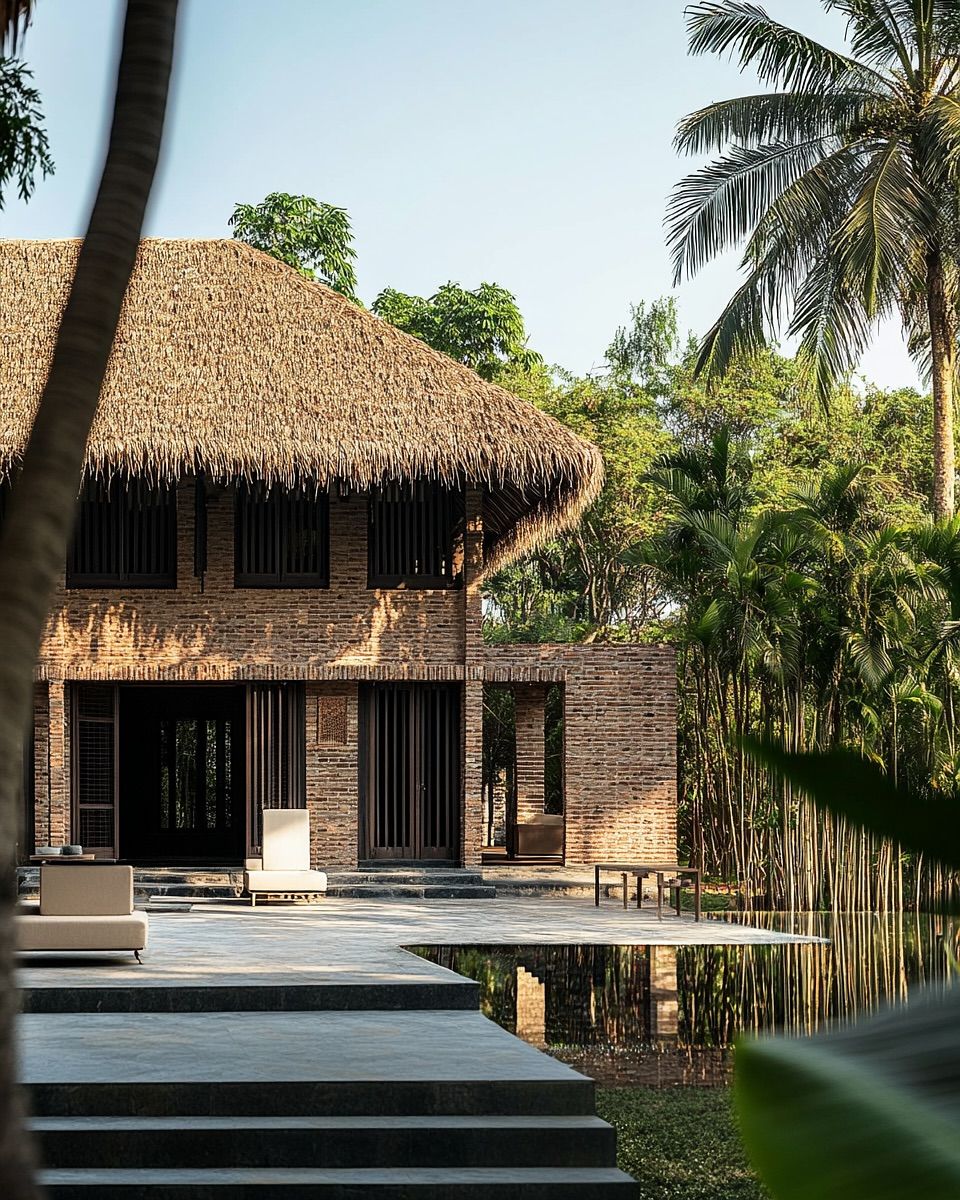
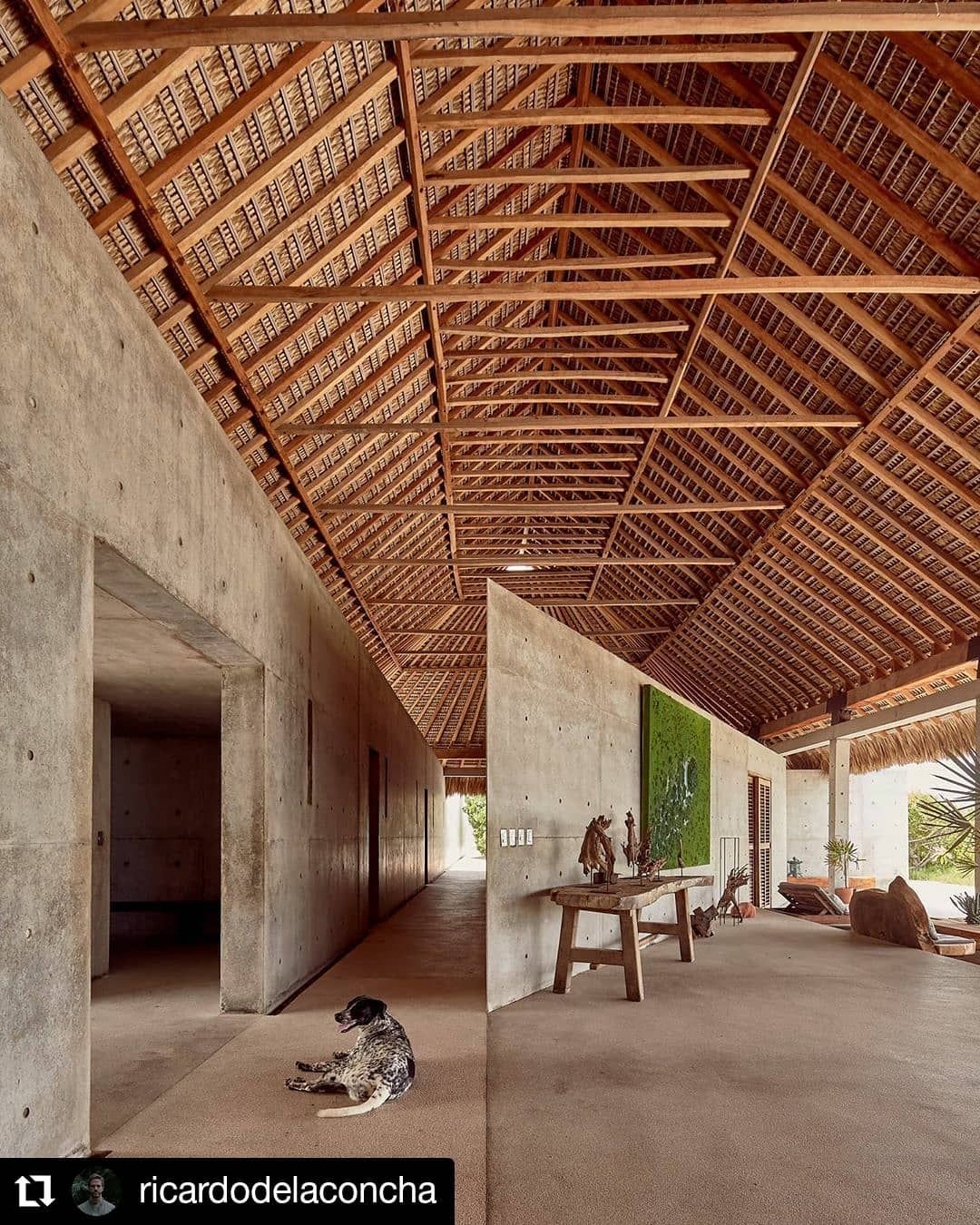
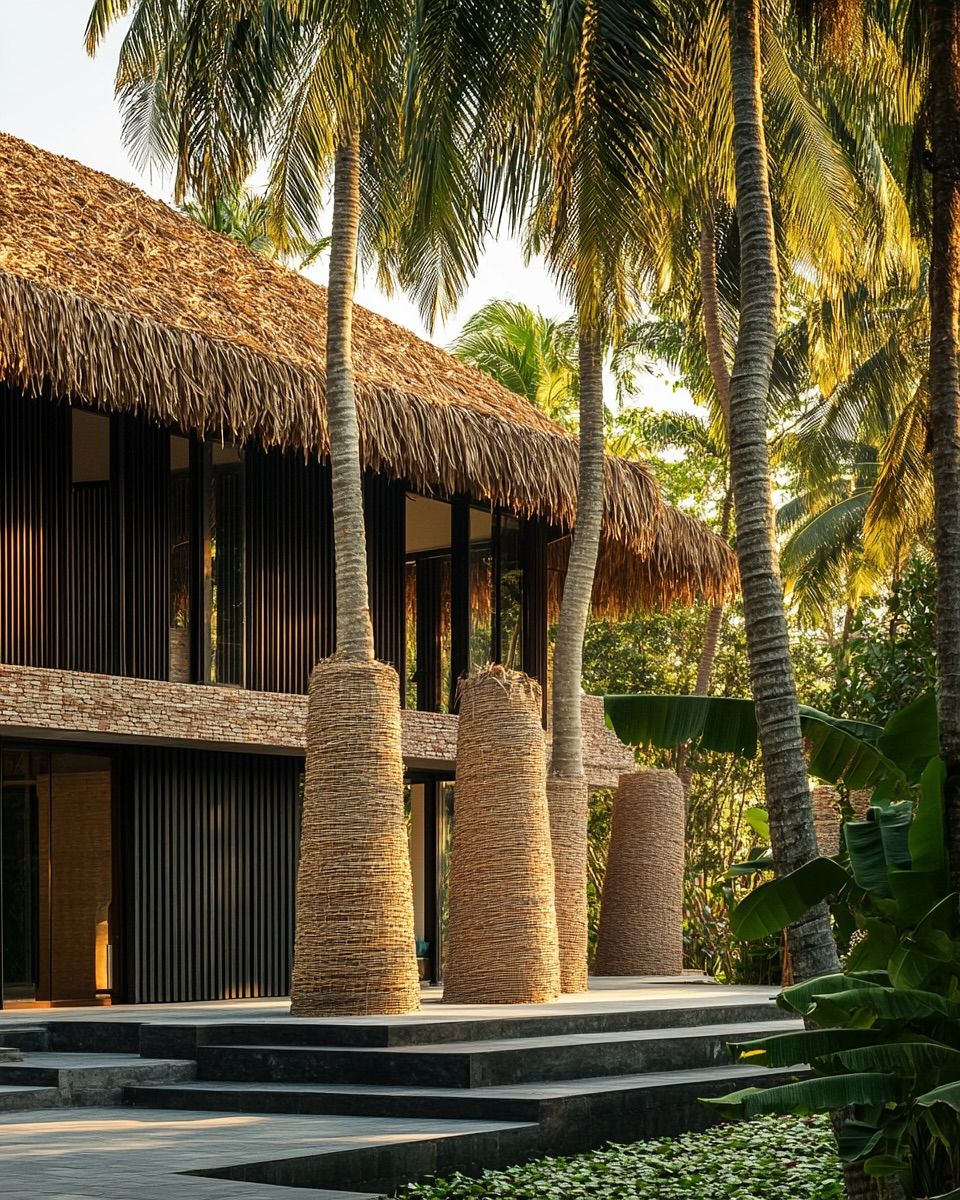
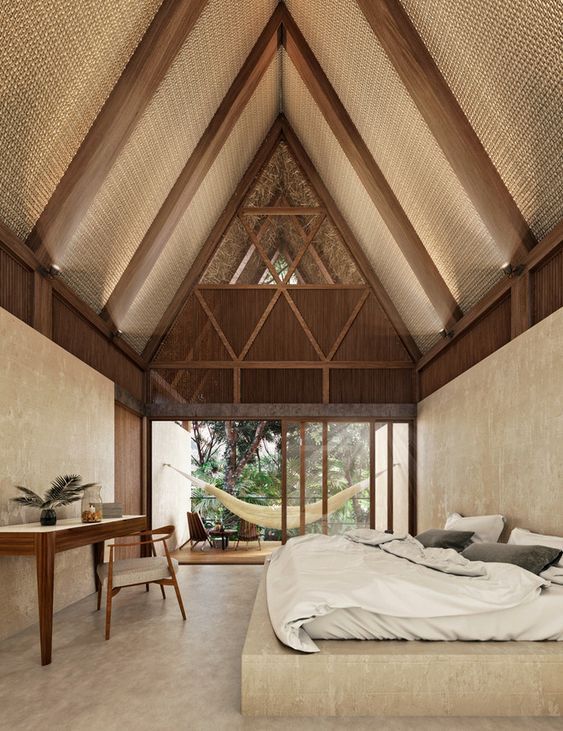
At the same time, modern home culture is changing. Today’s homes need to support work-from-home routines, digital entertainment, personal hobbies, fitness, study, elderly comfort, children’s activities, and flexible family lifestyles. The contemporary home must be adaptable. It should allow different generations and different activities to coexist without conflict. This makes planning more layered and thoughtful than ever before. Materials also play a major role in shaping home culture. Natural textures such as wood, stone, clay, lime plaster, laterite, cane, and handmade finishes bring warmth and familiarity. Light, ventilation, landscape, and tactile surfaces influence how a home feels on a daily basis. A culturally sensitive home is not only beautiful to look at; it is comfortable to live in, easy to maintain, and emotionally grounded. Home culture is not about decoration alone. It is about the relationship between space and life. It is about designing for morning routines, family meals, weekend gatherings, festivals, quiet evenings, conversations, memories, and future growth. It is about creating a home that reflects the people who live there. A successful residence is one where architecture does not dominate life, but supports it. The best homes feel natural, personal, and lived-in. They allow the family to grow, adapt, celebrate, rest, and belong. They carry stories across generations. In this sense, home culture is the soul of residential architecture. It reminds us that a house becomes meaningful only when it understands the life within it. A true home is not measured only by area, materials, or style, but by the comfort, memory, and identity it creates for its people.