
Bookarcho Official
Forest Futures: Rethinking Architecture of Forest Ecosystems and Ecological Balance
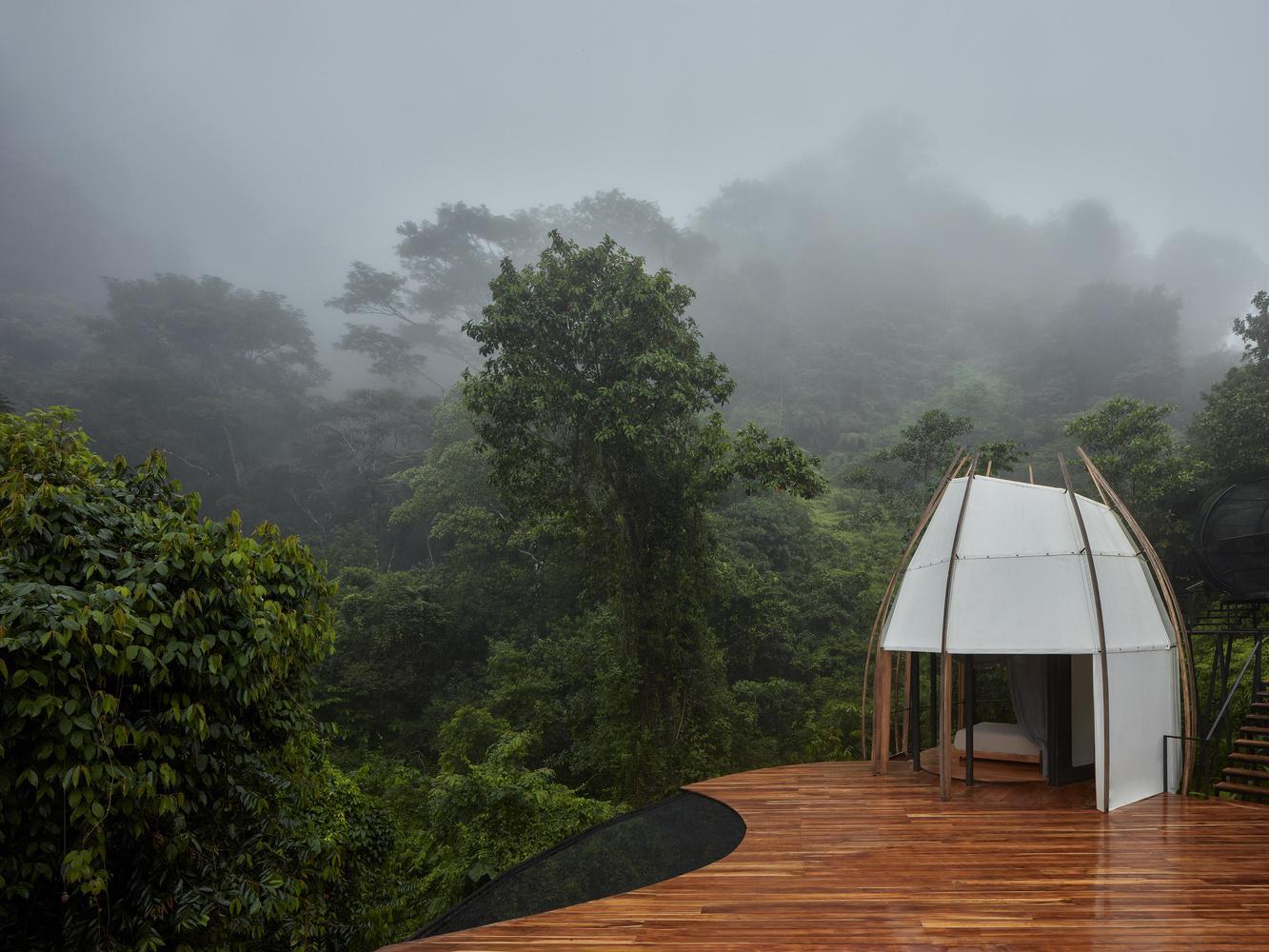
Forests are among the most complex yet vital ecosystems on Earth. They regulate climate, support biodiversity, and sustain human communities. With the growing realities of climate change and environmental degradation, architects, planners, and engineers now face a new imperative: designing within forests in ways that sustain the ecosystems on which they depend. When designing within a forest ecosystem, it is critical to move beyond isolating environmental factors as individual climatic events or categories of warming impacts. Effective design must respond to the intricate, interdependent relationships between soil, vegetation, wildlife, and human communities. Poorly executed construction can fragment habitats, degrade soil health, disrupt natural water cycles, and increase vulnerability to wildfires and erosion. The built environment should actively support the forest's health, preserve biodiversity, and enhance resilience in the face of future uncertainties to mitigate risk. Achieving this requires prioritizing both sustainability and adaptability, ensuring that structures remain functional, safe, and attuned to the evolving needs of the ecosystem as climate conditions change. From ventilation strategies and ecological disruption in tropical rainforests to fire resilience in temperate forests and foundation typologies in boreal regions, the following insights highlight how thoughtful, context-driven design can ensure buildings coexist with their surroundings while promoting long-term resilience for people and the ecosystems they inhabit. Through these specific strategies, architecture can adapt to the ever-changing conditions of the forest while minimizing environmental impact and enhancing community well-being.